 +1 888-919-9075
  info@couchsteamers.com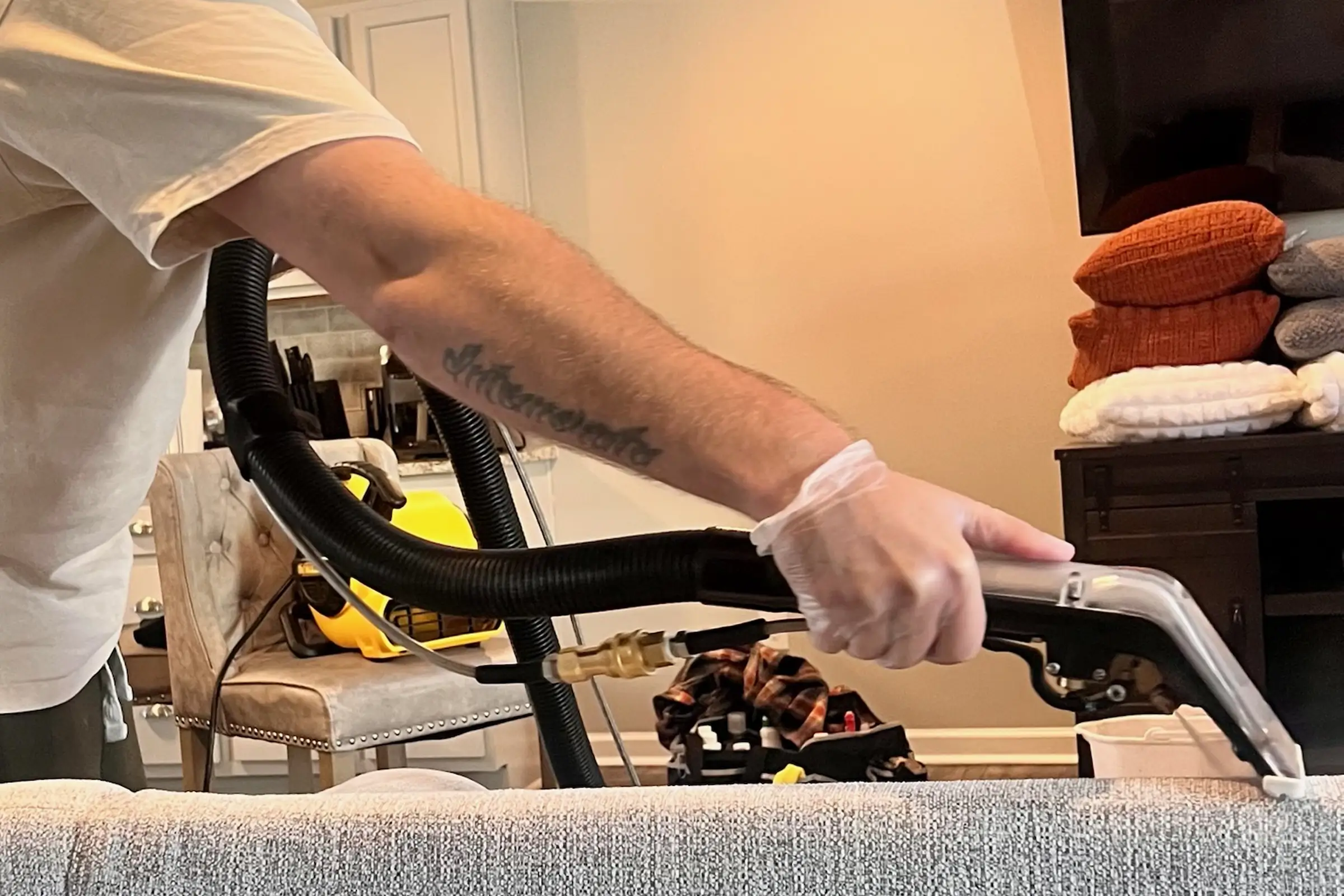
Have you ever looked at your couch and thought, “Where did that stain come from?” 😅 It happens in almost every home. A glass of wine during movie night, a pet accident, a drop of sauce from dinner — everyday life leaves its marks on upholstered furniture.
As upholstery cleaning technicians at Couch Steamers - Upholstery Cleaning, we see these situations every day. The good news is that most couch stains can be professionally removed when treated correctly. The key is using the right method for the right type of stain.
In this guide, we’ll explain the most common couch stains and how professional upholstery cleaning services deal with them safely and effectively.
Why Couch Stains Need Professional Treatment
Before we talk about specific stains, it helps to understand why upholstery stains can be tricky.
Unlike hard surfaces, couches are made from porous fabric materials. This means liquids and oils sink deep into the fibers and padding. Once that happens, surface cleaning is rarely enough.
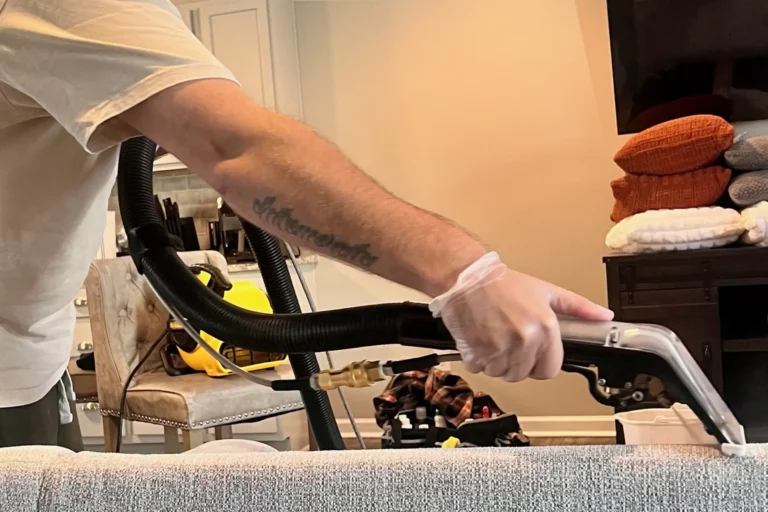
Professional upholstery cleaning uses techniques such as:
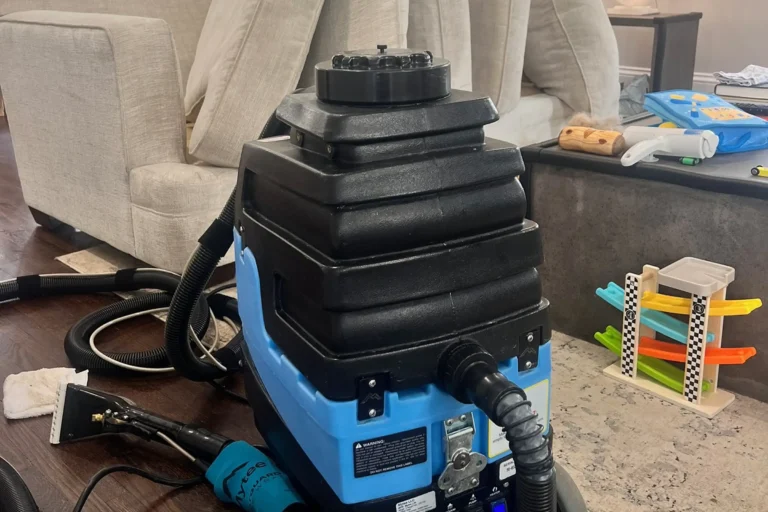
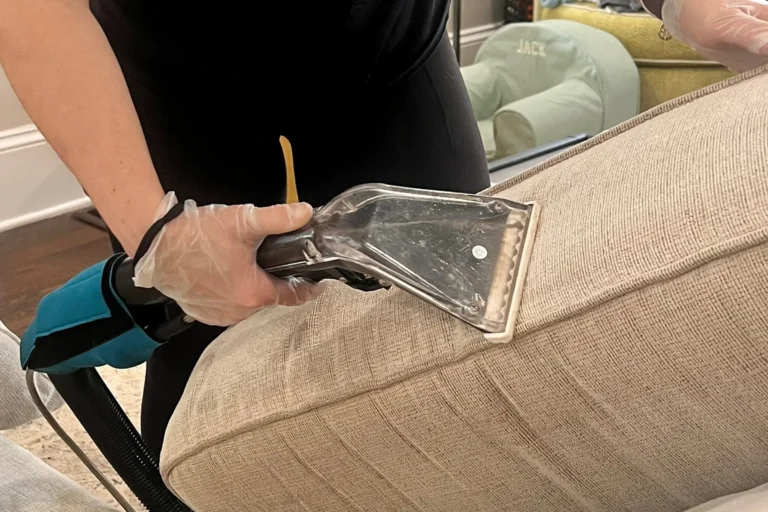
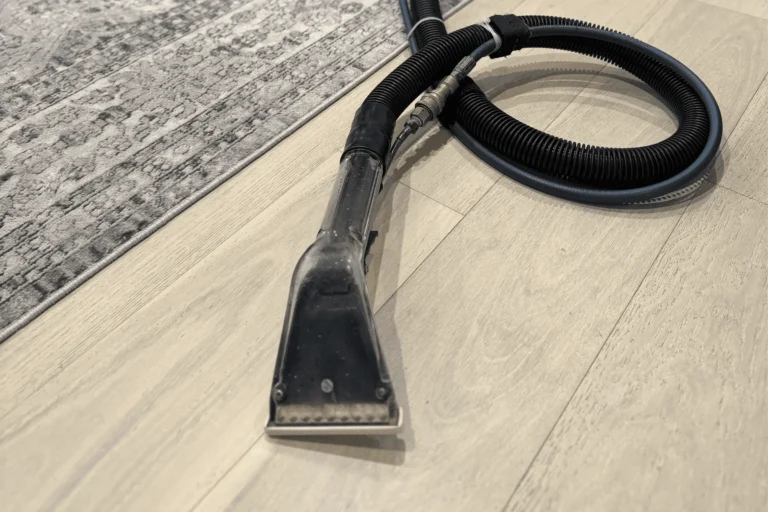
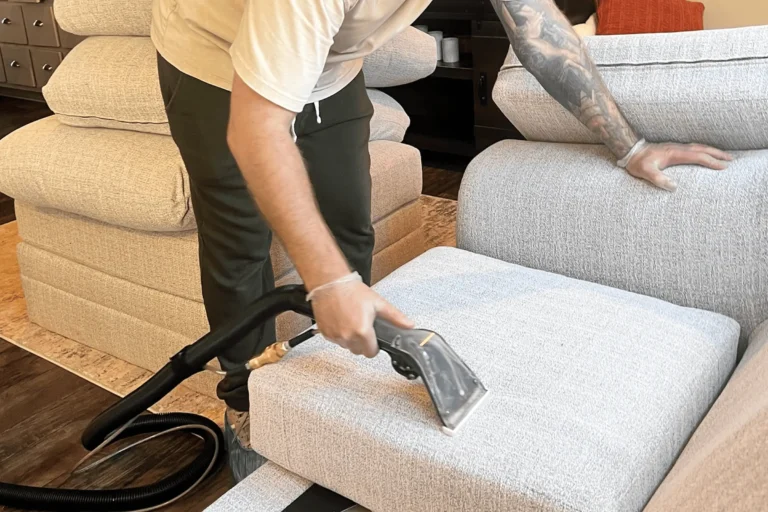
- Hot water extraction – a deep-cleaning process where heated cleaning solution is injected into fabric and then extracted with strong suction.
- Enzyme treatments – special solutions that break down organic stains like food or pet accidents.
- Low-moisture fabric cleaning – a controlled method that protects delicate upholstery materials.
Our technicians always choose the safest cleaning approach based on the fabric type and stain.
Now let’s look at the stains we see most often.
1. Wine Stains
Wine spills are extremely common, especially during gatherings or relaxing evenings at home.
Why Wine Stains Are Difficult
Red wine contains tannins, natural compounds that strongly bind to fabric fibers. Once they dry, they can leave a dark, stubborn mark.
How Professionals Remove Wine Stains
Our technicians typically use:
- targeted stain pre-treatment
- hot water extraction
- pH-balancing rinse to prevent residue
The process lifts the pigment from the fibers without damaging the upholstery fabric.
Why DIY Often Makes It Worse
Many people rub the stain with household cleaners. Unfortunately, rubbing spreads the pigment deeper into the fabric.
We recommend gently blotting the area and leaving the deep cleaning to professionals.
2. Pet Urine Stains
Pet accidents are one of the most challenging upholstery problems.
Why Pet Urine Is So Problematic
Urine contains uric acid crystals. These crystals can remain inside upholstery padding and cause lingering odors.
That’s why a couch may still smell even after surface cleaning.
Professional Cleaning Method
Our technicians use:
- enzyme-based cleaners that break down organic compounds
- deep extraction to remove contaminated moisture
- deodorizing treatments that neutralize odors
This approach removes both the stain and the smell.
3. Ink Stains
Ink stains often happen when pens leak or children accidentally mark the couch.
Why Ink Is Hard to Remove
Ink contains pigments and dyes designed to permanently attach to surfaces. On upholstery fabric, these pigments can quickly set.
Professional Removal Process
We carefully apply solvent-based cleaning solutions that dissolve the ink pigments without damaging the fabric fibers.
Then we use controlled extraction to remove the loosened stain.
It’s a delicate process that requires experience and proper equipment.
4. Food and Grease Stains
Greasy foods like pizza, sauces, butter, or salad dressing can leave oily spots on couches.
Why Grease Is Difficult
Grease stains are hydrophobic, meaning they repel water. Regular household cleaners often spread the oil instead of removing it.
Professional Grease Removal
Our upholstery cleaning services typically use:
- specialized degreasers
- agitation tools that lift oil from fibers
- hot water extraction to flush out residue
This combination helps restore the original appearance of the upholstery fabric.
5. Coffee and Tea Stains
Coffee and tea contain tannins, similar to wine. These stains often appear light at first but darken over time.
Professional cleaning uses stain-neutralizing solutions that break down the tannins and restore the fabric color.
6. Makeup and Cosmetic Stains
Foundation, lipstick, and mascara contain oils and pigments.
Our technicians treat these stains using gentle solvent cleaners that dissolve cosmetic oils without damaging delicate upholstery fabrics.
7. Chocolate Stains
Chocolate is a double problem because it contains both sugars and oils.
Professional cleaning involves breaking down the oily components first and then removing the sugar residue with controlled extraction.
8. Blood Stains
Blood contains proteins that bond strongly to fabric fibers when exposed to heat.
Our technicians use cold-based protein treatments that safely dissolve the stain before extraction.
9. Juice and Soda Stains
Sugary drinks can leave sticky residue that attracts dirt.
Professional cleaning removes both the visible stain and the hidden sugar deposits that can cause long-term discoloration.
10. Mystery Stains
Sometimes clients simply say, “I don’t know what this stain is.”
That’s completely normal. We often identify stains based on:
- color
- texture
- odor
- location on the couch
From there, our technicians choose the safest cleaning method.
Why DIY Couch Cleaning Often Fails
Many homeowners try to remove stains themselves using store-bought cleaners. While this can help with very small spills, it often creates new problems.
Here are common issues we see:
- Over-wetting the couch, which pushes stains deeper
- Using the wrong cleaner for the fabric type
- Leaving soap residue that attracts more dirt
- Rubbing stains instead of lifting them
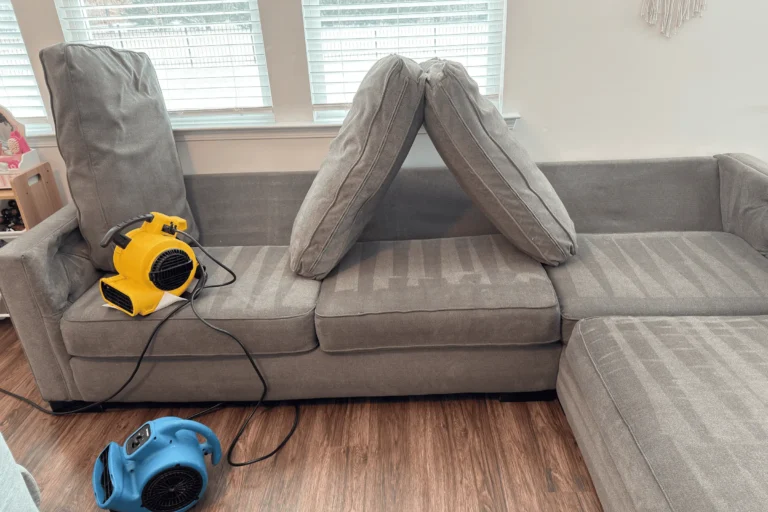
Professional upholstery cleaning equipment is designed to remove moisture and contaminants completely, something household tools simply cannot do.
A Simple Example
Think of upholstery like a sponge.
If you spill juice on a sponge and only wipe the surface, the liquid inside stays there. Upholstery behaves the same way. Deep extraction is what truly removes the contamination.
Conclusion
Couches go through a lot in everyday life — spilled drinks, food stains, pet accidents, and mystery marks that appear out of nowhere. While some stains may look simple on the surface, upholstery fabric can trap liquids, oils, and pigments deep inside the fibers and padding.
Professional upholstery cleaning services use specialized equipment, fabric-safe cleaning solutions, and trained techniques to remove these stains effectively. From wine and ink to grease and pet urine, each stain requires a different approach to protect the upholstery while restoring its appearance.
Because the upholstery cleaning process involves deep extraction, stain chemistry, and careful fabric treatment, it is a detailed and labor-intensive job that requires specialized skills and experience.
If your couch has stubborn stains or odors, the best solution is professional help. The technicians at Couch Steamers - Upholstery Cleaning are always ready to help restore your furniture and make your home feel fresh and comfortable again.
Contact Couch Steamers - Upholstery Cleaning today to schedule professional upholstery cleaning and bring new life back to your couch.